
Who Discovered Iceland?
Long before people arrived, there was an island in the North Atlantic, waiting in silence.
It was a land forged in fire. Beneath the waves, volcanoes erupted and the island was born. Lava cooled to stone, glaciers carved the land into deep valleys and sharp ridges. Rivers poured from the ice, twisting toward the sea.
Iceland was still young, still raw. It shifted and broke, reshaping itself again and again. Its cliffs were black basalt, its beaches dark and strange compared to the sands of Europe. The earth itself steamed, as though the island were alive.
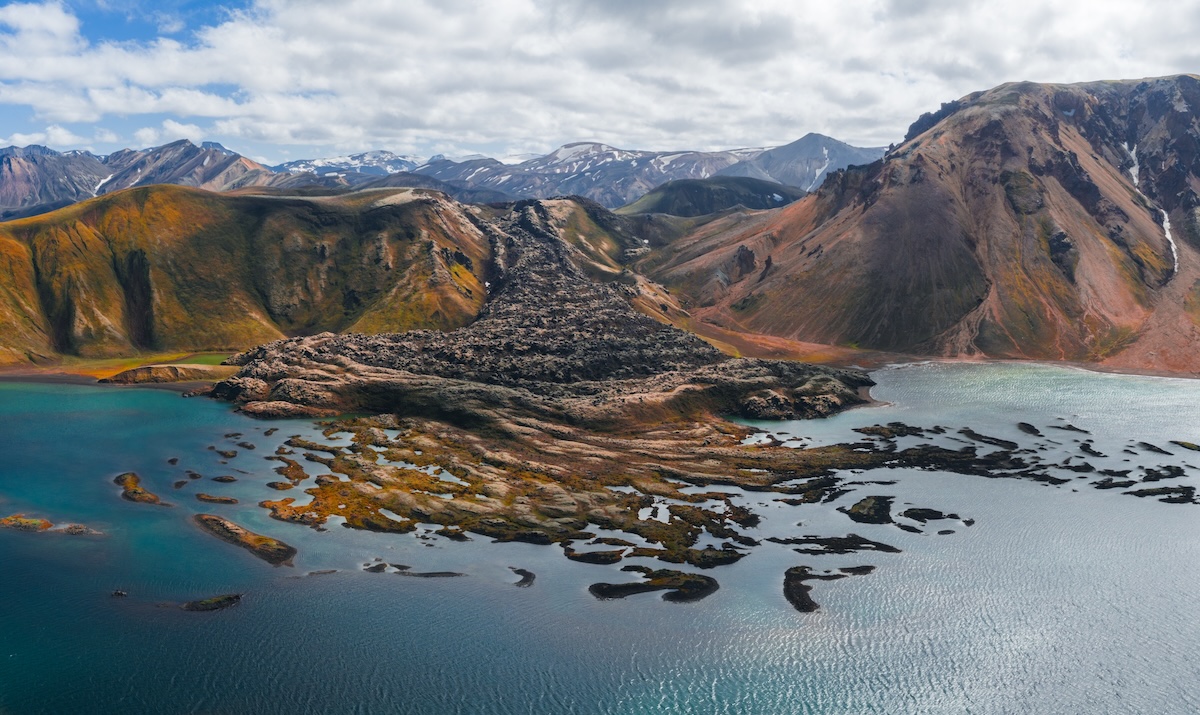
And yet, despite its fire and fury, it was beautiful. Birds filled the skies—puffins, geese, and gulls. Seals and walrus crowded its shores. The forests, small but dense, offered shelter to foxes, the only land animal to cross here on their own.
For millions of years, this island was untouched by humankind. No one gave it a name. No one had seen its glaciers or heard its waterfalls. But the sea has a way of carrying men into the unknown. And one day, Iceland would be seen.
Accidental Discovery by Naddodd
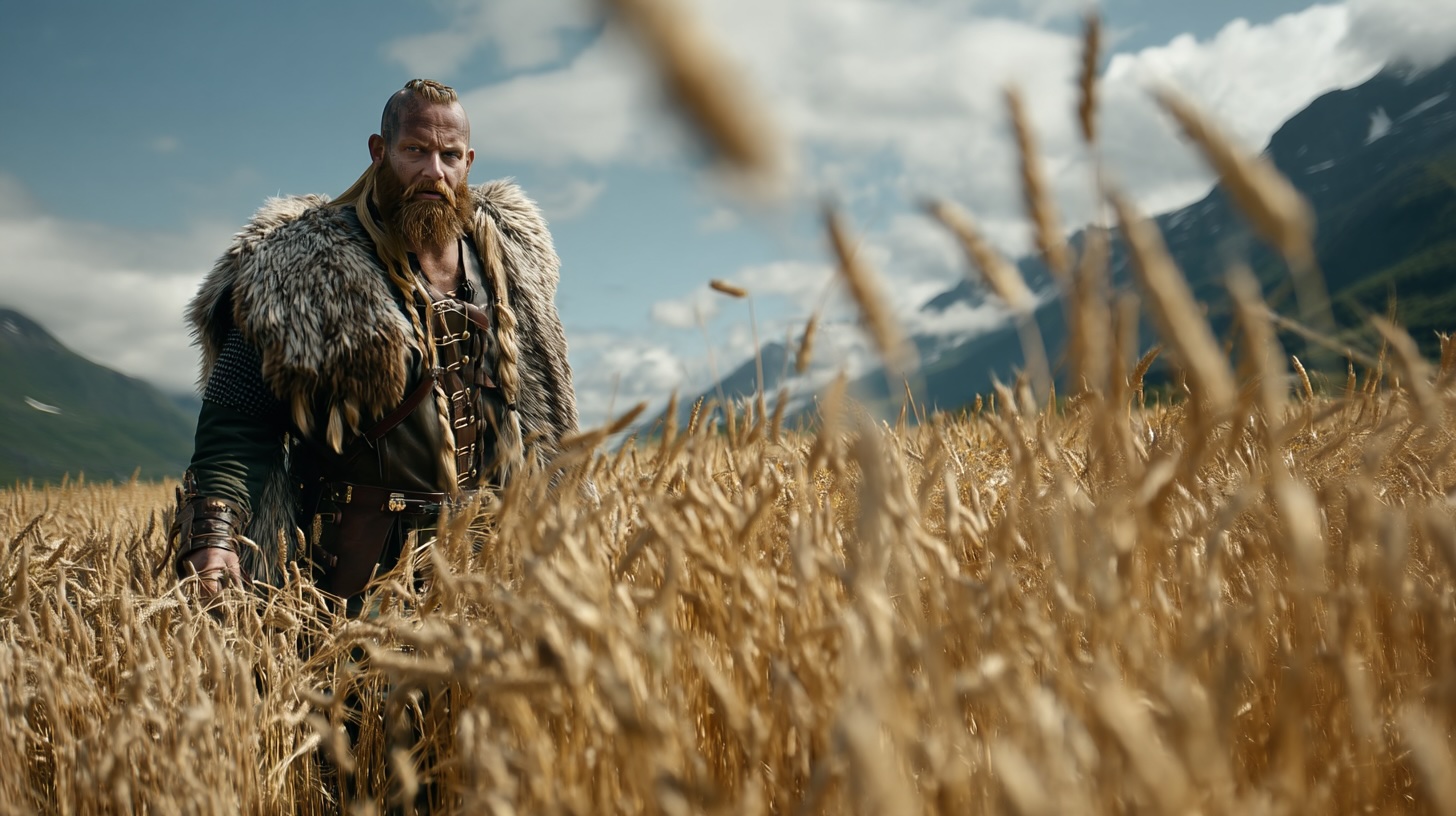
It happened by chance. Around the year 825, a Norwegian Viking named Naddodd set out for the Faroe Islands. He was no stranger to the sea—like many Norsemen, he was both farmer and sailor, used to hard journeys across rough waters.
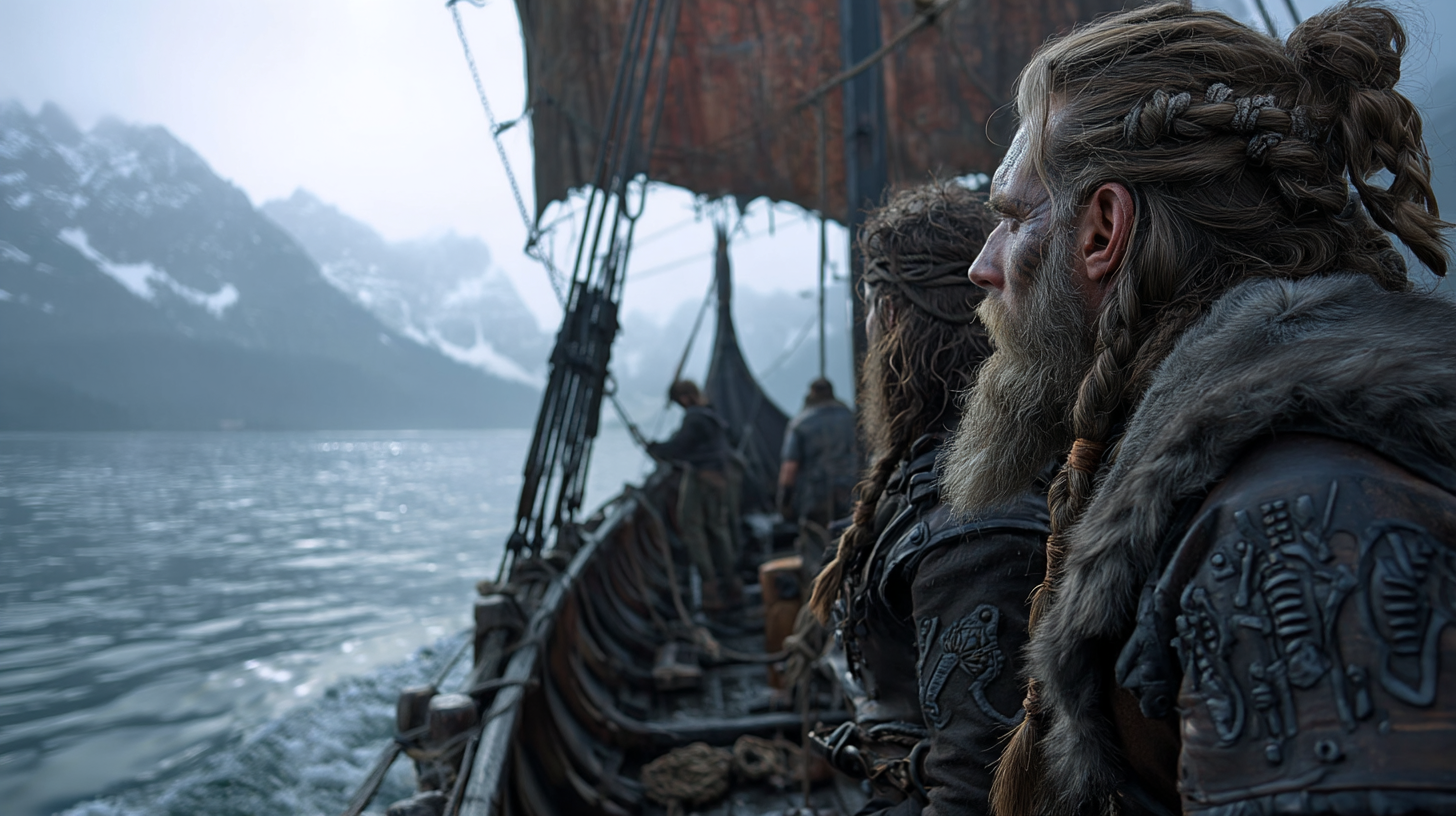
But the North Atlantic is unpredictable. A sudden storm blew his ship off course, far from the route he intended. For days, his men battled the waves. The ship creaked under the strain, its sails shredded by wind. They had no choice but to let the storm take them.
When the skies cleared, they saw mountains in the distance—tall, snow-covered, rising straight from the sea. It was unlike any land they knew.
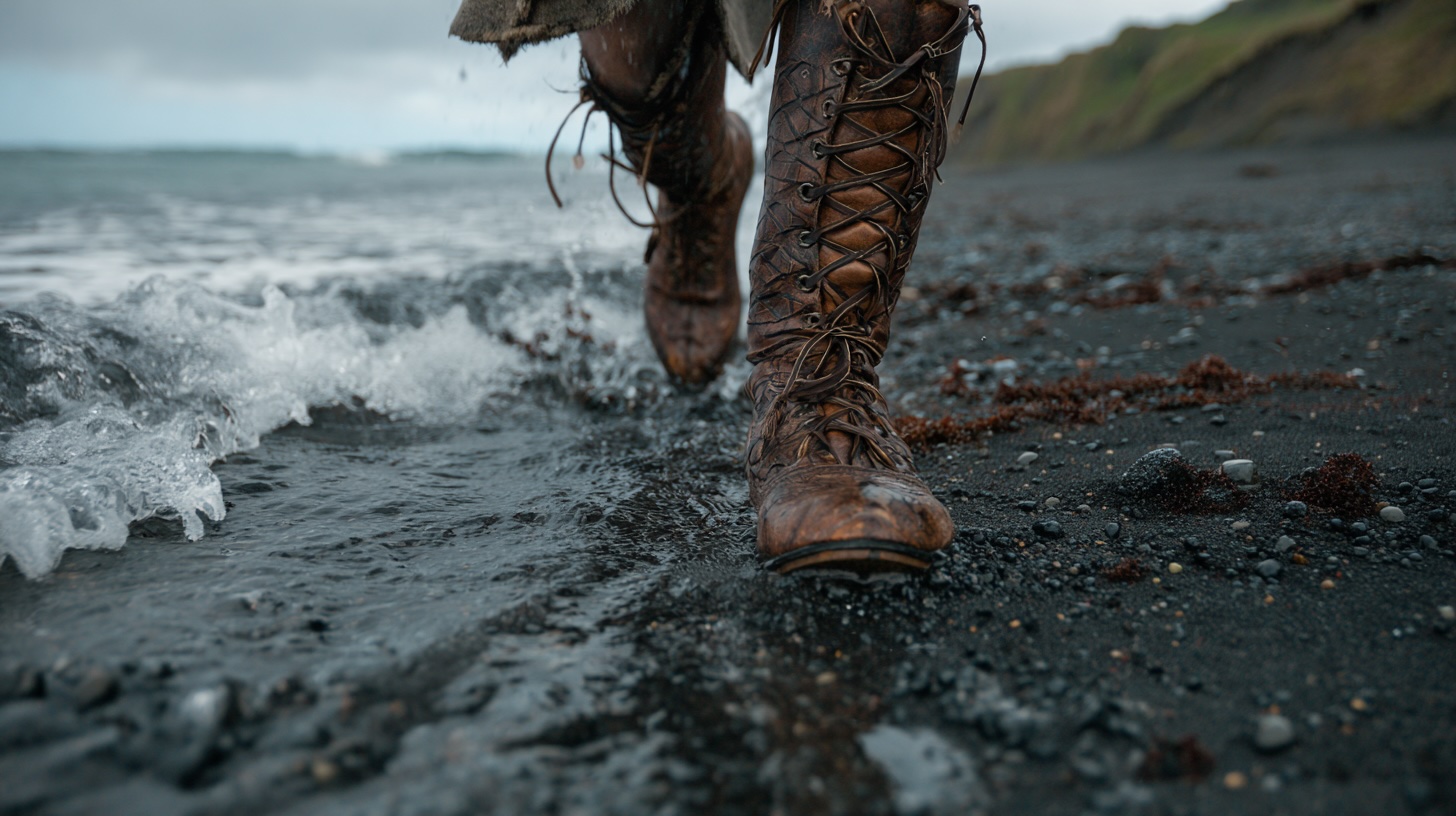
They sailed closer, cautiously, unsure of what they had found. The coastline was long and jagged, with cliffs that dropped into black sand beaches. They brought their ship to shore and stepped onto the strange land.
The men searched for people, for smoke from fires, for any sign of life. They found none. The land was vast, silent, and empty. They gathered fresh water, perhaps hunted birds and seals, repaired their ship, and prepared to leave.
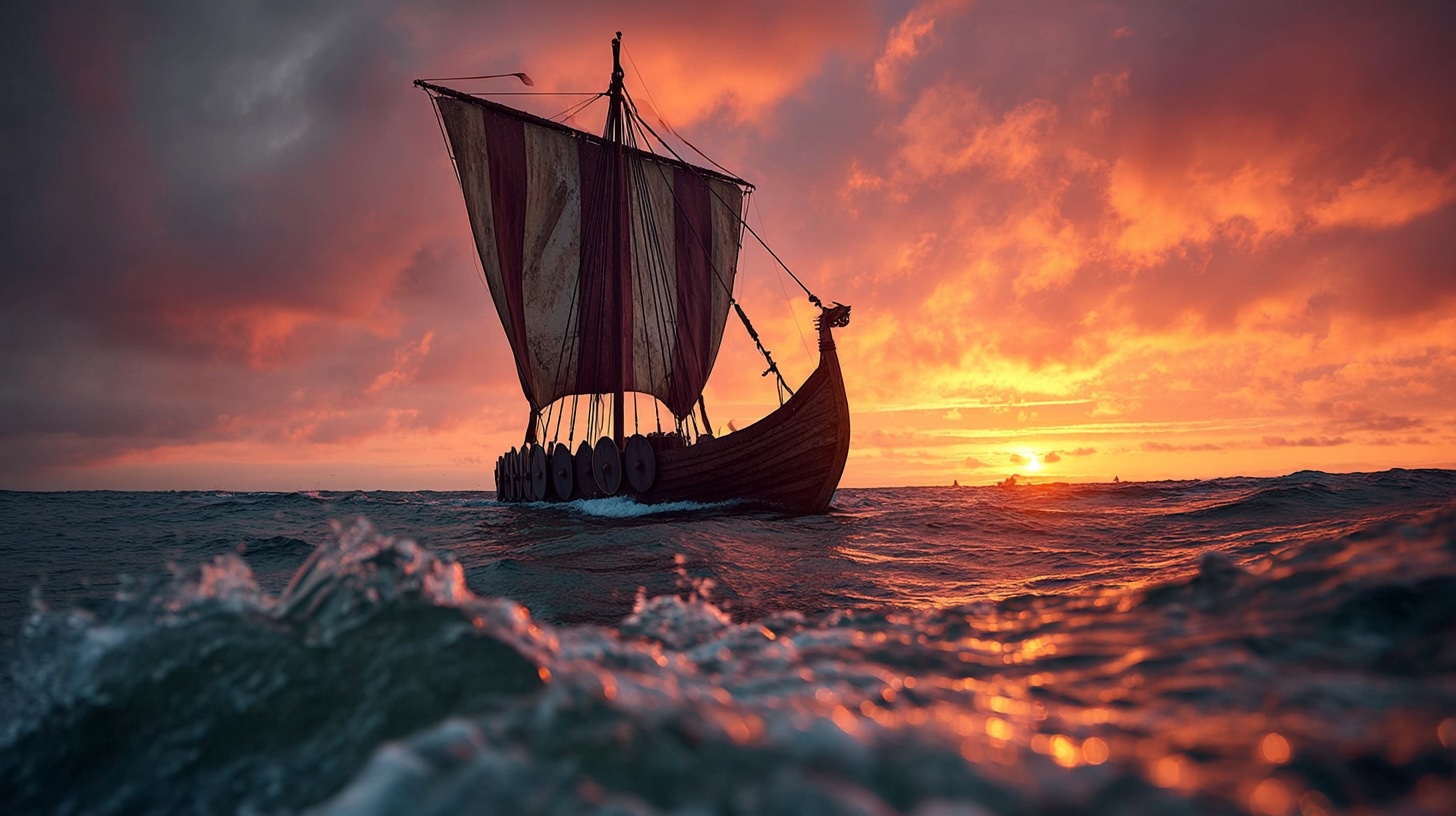
As they turned back to sea, snow fell on the mountains. Naddodd called the place Snæland—Snowland.
He returned to Norway and told of what he had seen: a great island, uninhabited, lying far across the northern seas. It was a discovery born of misfortune—but it would not be forgotten.
Garðar Svavarsson’s Winter Stay
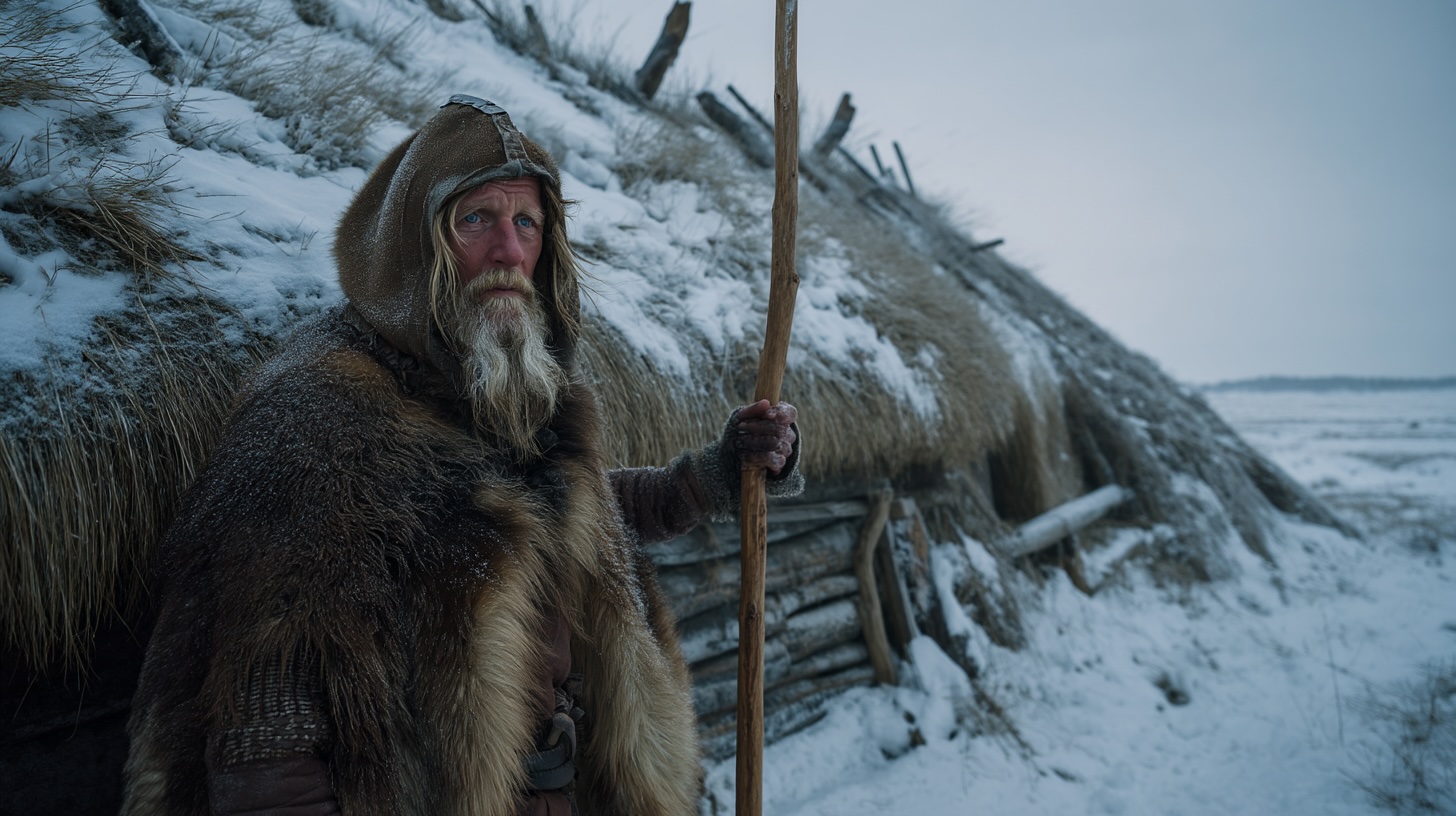
A generation later, the story of this strange land drew another man. His name was Garðar Svavarsson, a Swede of high status. Like Naddodd, he had not planned to reach Iceland. His ship, bound for the Hebrides, was again swept into unknown waters.
But once he saw the island, he did not leave. Garðar sailed around the entire coastline, tracing it carefully. He was the first to understand: this was not a fragment of land, not part of a greater continent—it was an island unto itself, encircled completely by sea.
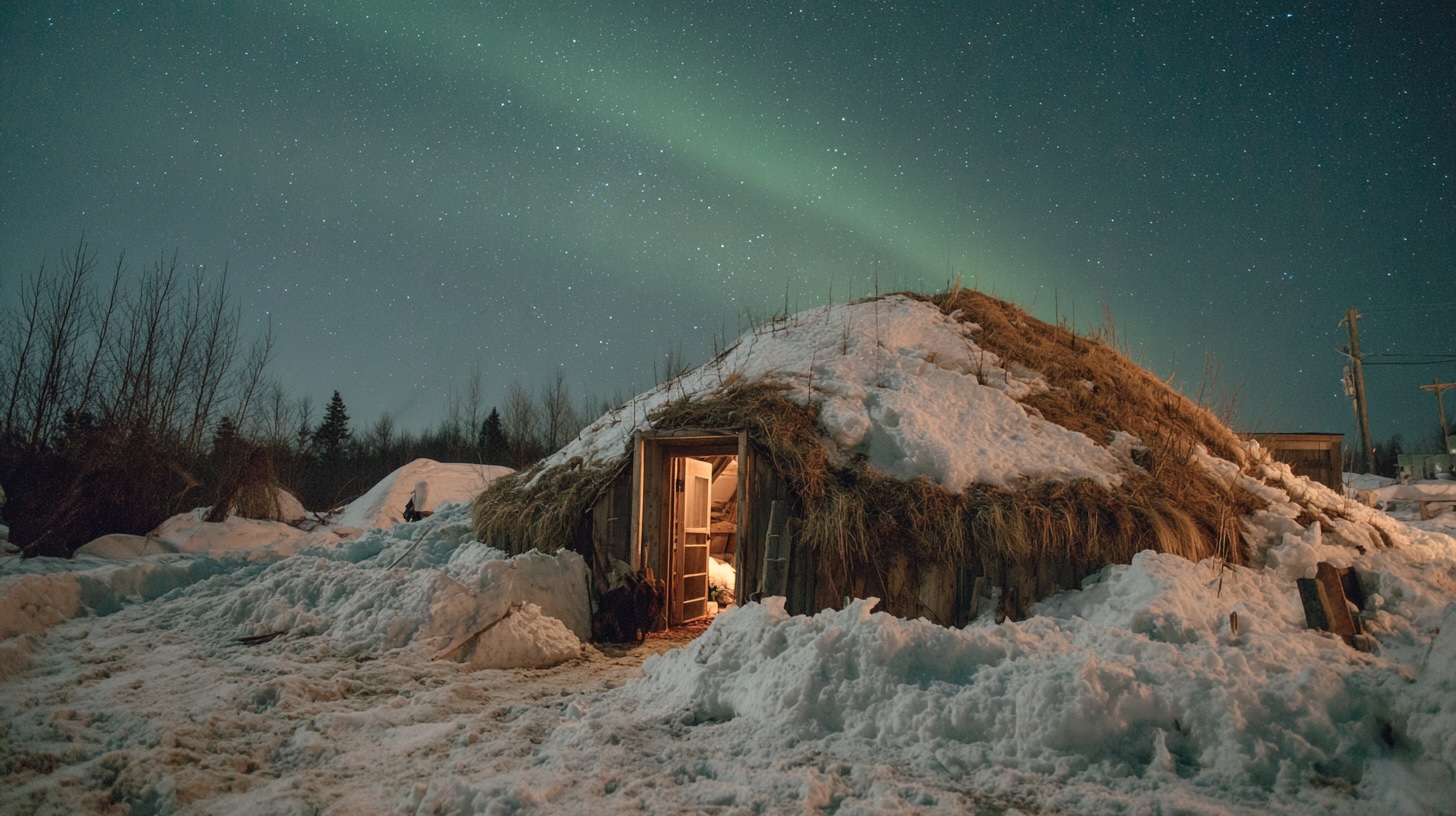
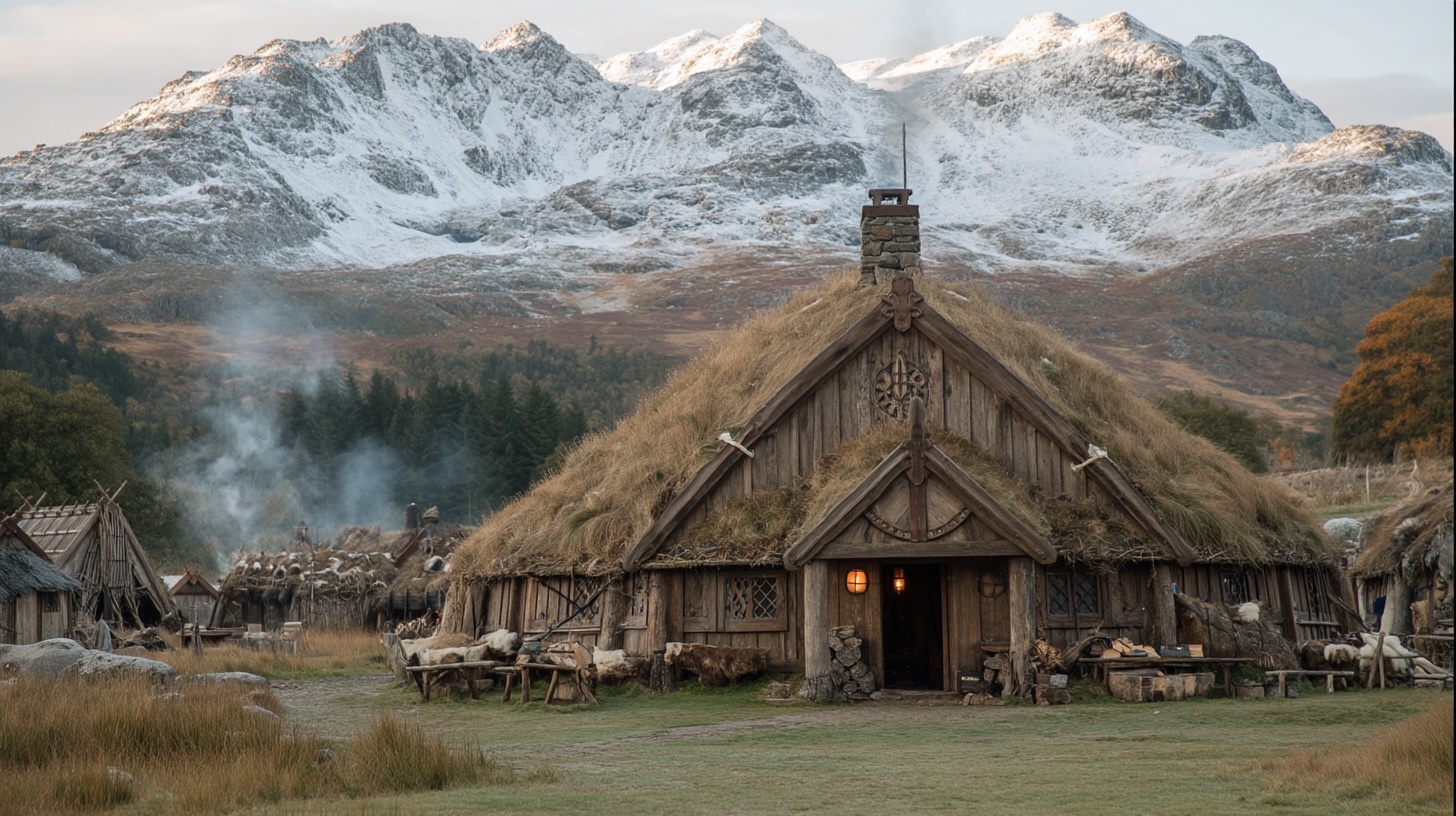
When winter closed in, Garðar and his men had to stay. On the northern shore, in a sheltered bay, they built a hall of timber and turf. They sealed it with sod to keep out the cold, and settled in for the long dark months.
The winter must have been harsh. The Norse were skilled at survival, but the cold of Iceland was unlike the lands they knew. They would have fished daily, hunted seabirds, dried meat, and melted snow for water. At night, they sat by the fire, listening to the howling wind, surrounded by a land that seemed almost alive with silence.
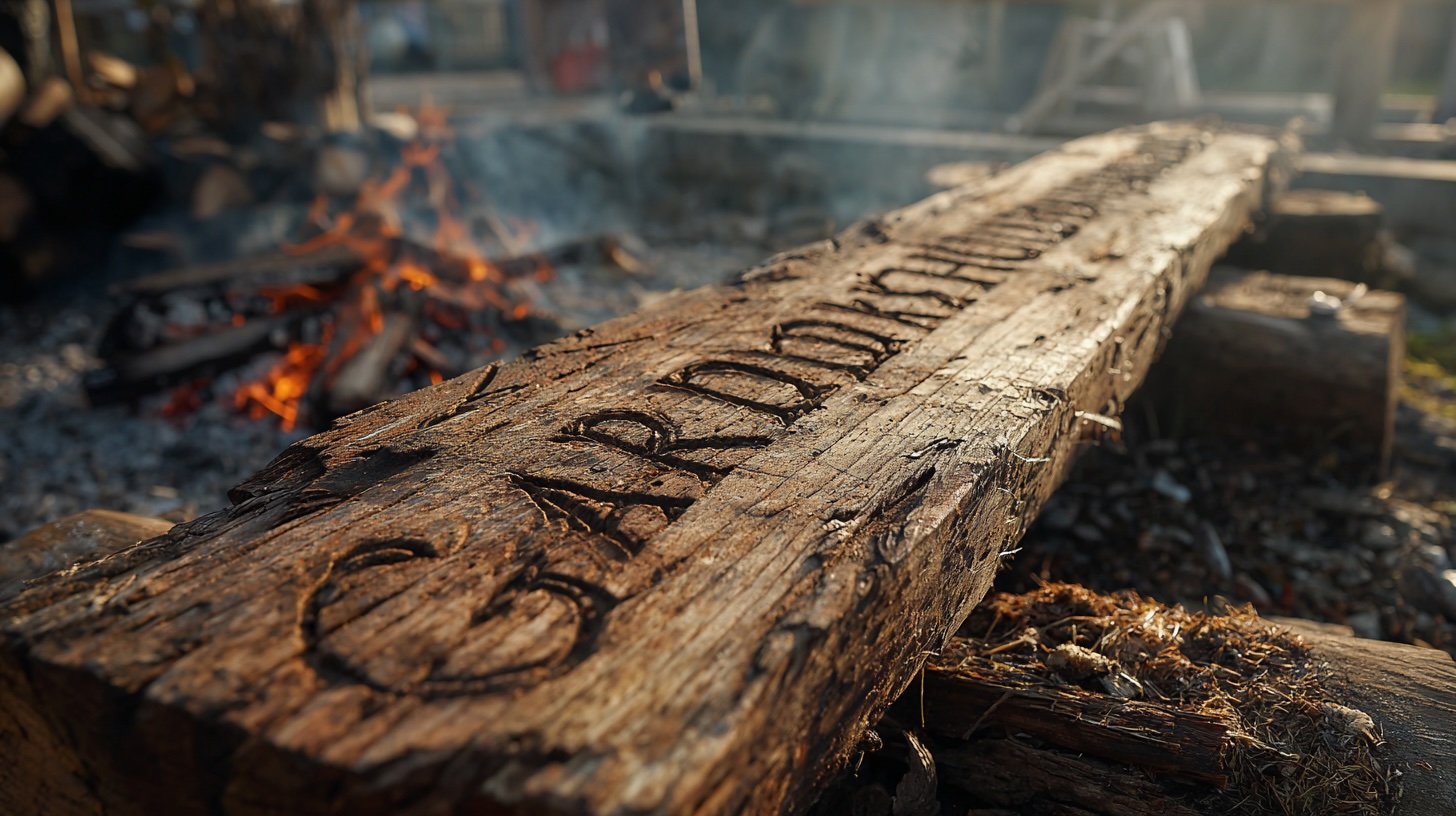
When spring came, they departed. But the place where they stayed became known as Húsavík—“the Bay of Houses.”
Garðar returned to Scandinavia with his story. From then on, the island was no longer Snowland, but Garðarshólmur—“Garðar’s Island.” And with that name, Iceland became a destination for settlement.
Stories of the Papar
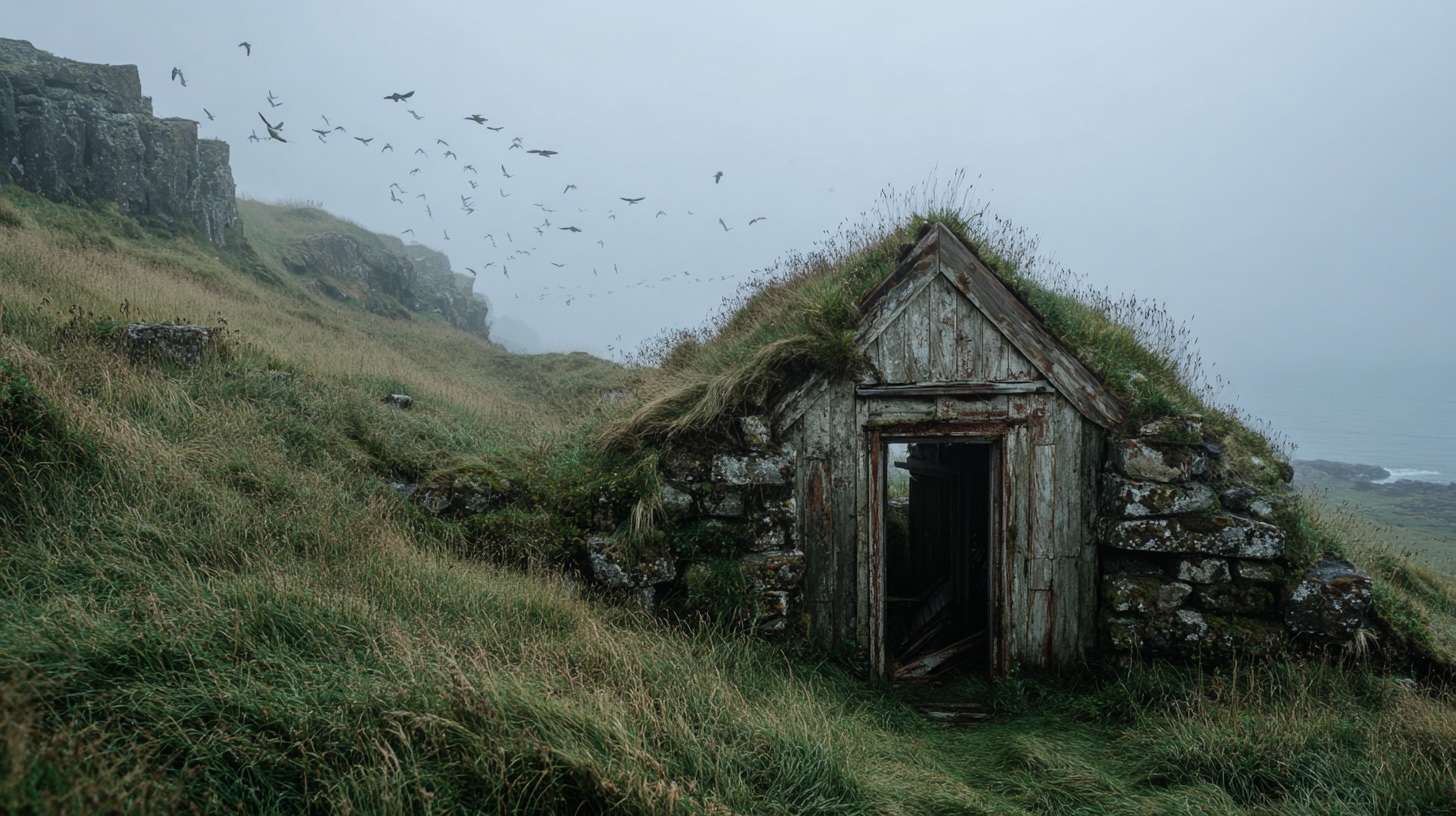
But perhaps the Norse were not the first.
Icelandic sagas speak of the Papar—Irish monks who may have come here before the Vikings. These monks were known for their desire for solitude, sailing north in tiny, skin-covered boats called coracles, searching for the ends of the earth where they could live in silence and prayer.
It is said they brought little with them: a few tools, manuscripts, perhaps small bells to mark their hours of worship. They sought not wealth, not land, but isolation, a life devoted entirely to God.
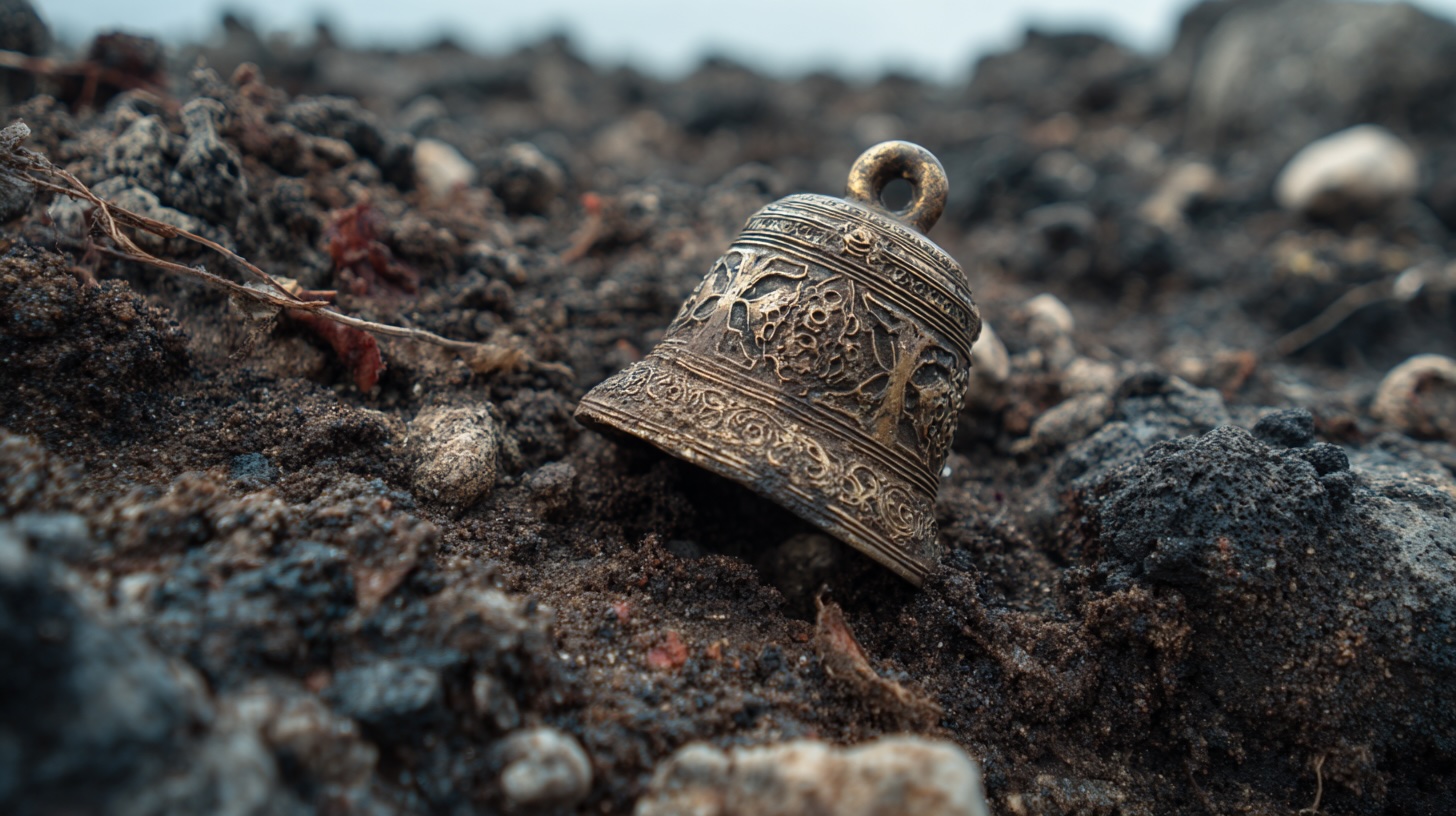
When the Norse arrived, the sagas tell us, the monks vanished. Some claimed to have found their belongings—books, bells, carved crosses—left behind when they fled.
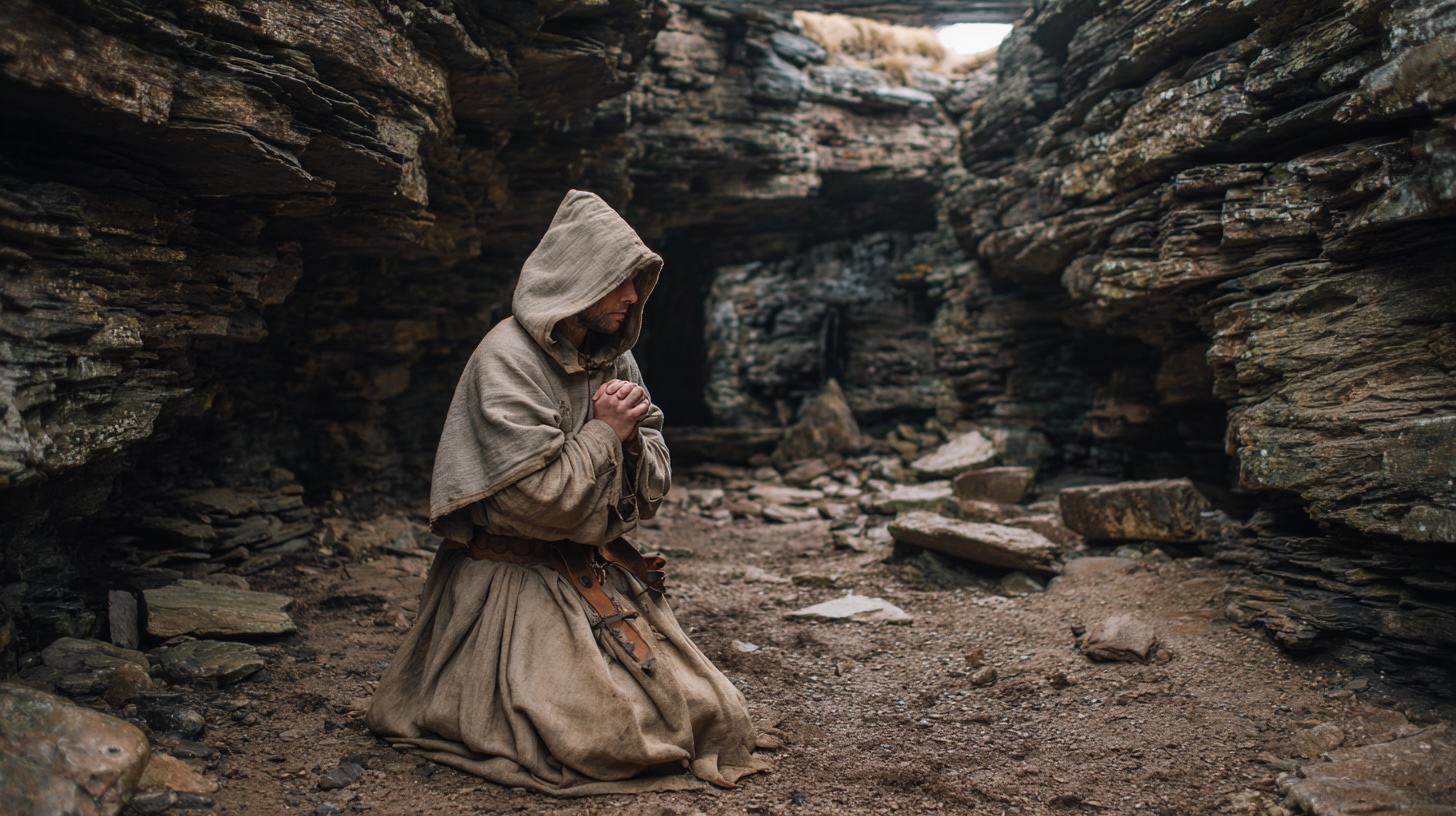
And even today, there are mysteries that stir the imagination. In the south, at Hella, caves dug deep into volcanic rock remain. Their purpose is unknown. Some believe they were Viking shelters, carved centuries later. But others wonder—could these have been the cells of the Papar? Quiet chambers where monks once prayed in the darkness?
We cannot know for certain. But the possibility remains that Iceland’s first visitors were not men of war, but men of faith.
The Ancient Greeks
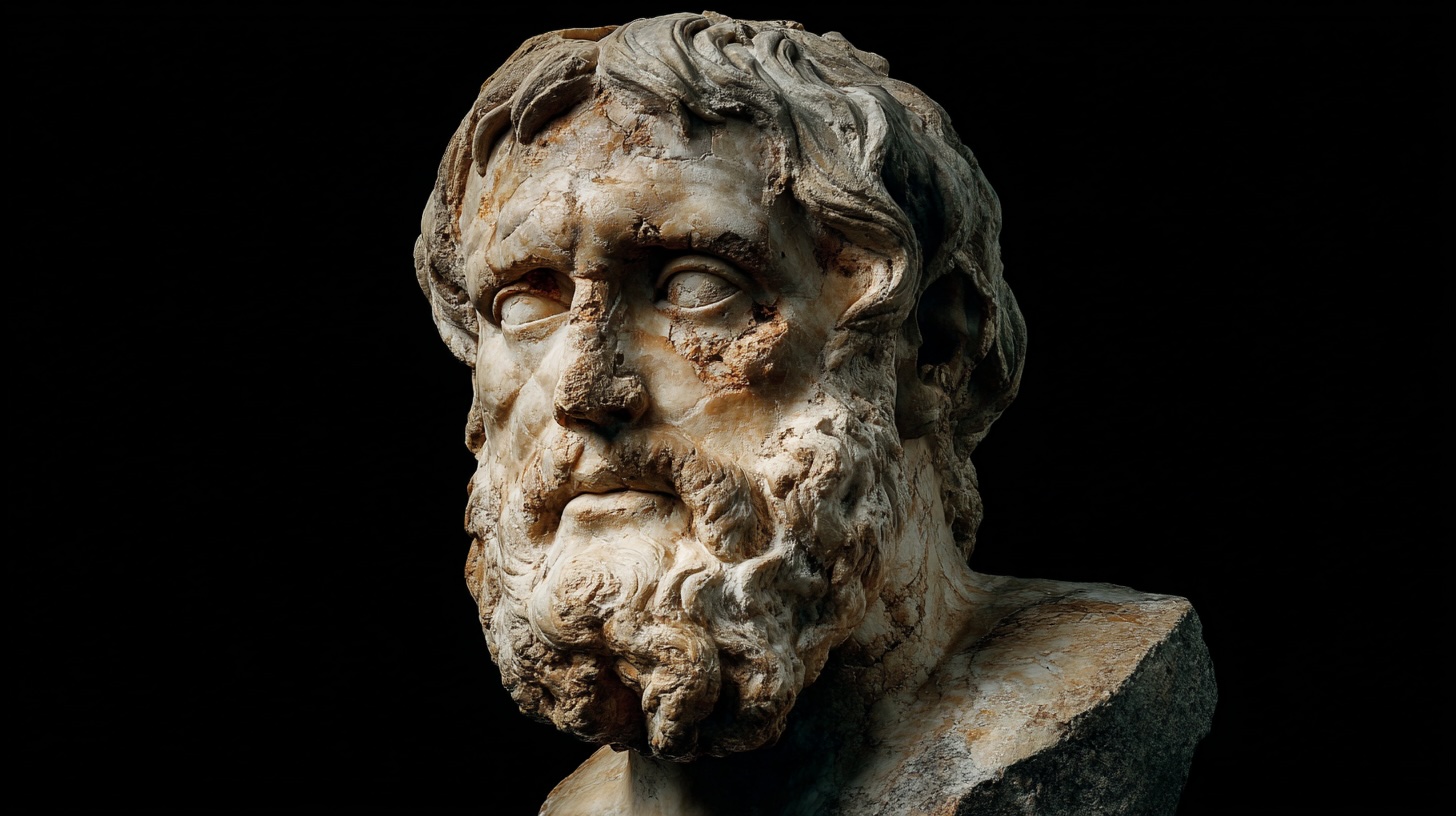
And yet, there is another story—one that reaches even further back in time.
Four centuries before the birth of Christ, a Greek explorer named Pytheas of Massalia set out into the unknown north. He traveled farther than any Greek before him, and when he returned, he spoke of a land he called Thule.
According to Pytheas, Thule lay six days’ sail beyond Britain. It was a place where the sea turned to slush, half-ice, half-water. A place where the sun never set in summer, where the air was filled with mist and fog.
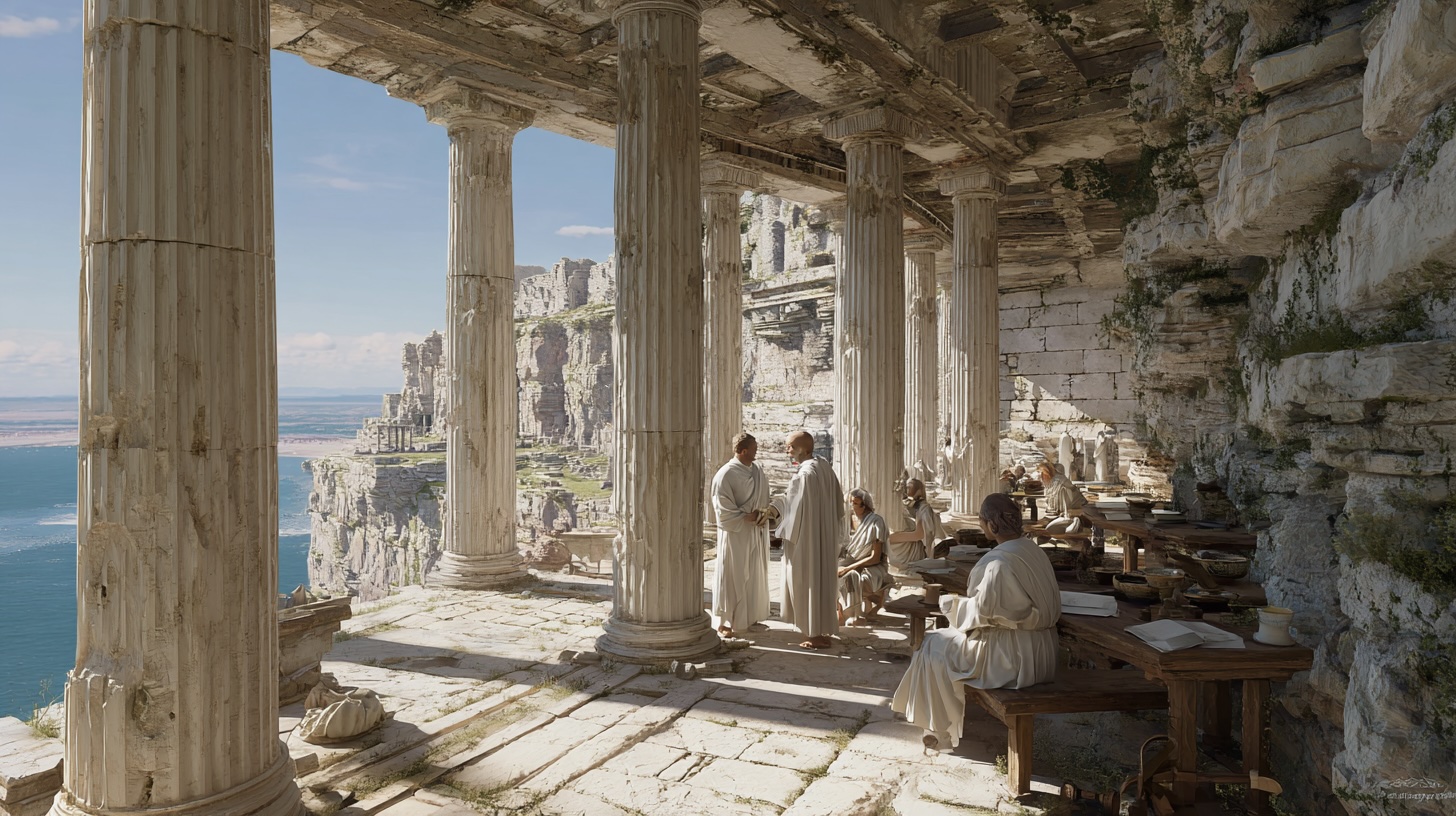
To the Greeks, this was unimaginable. For centuries, scholars debated whether Pytheas had seen anything real at all. Some dismissed him as a liar. Others wondered if Thule might be Norway, or the Shetlands. But his description—of the midnight sun, of frozen seas—fits Iceland as well.
If Pytheas had indeed reached so far, then Iceland was already known in antiquity, not as a nation, but as an idea—the edge of the world, the place where knowledge ended and mystery began.
Legacy of Discovery
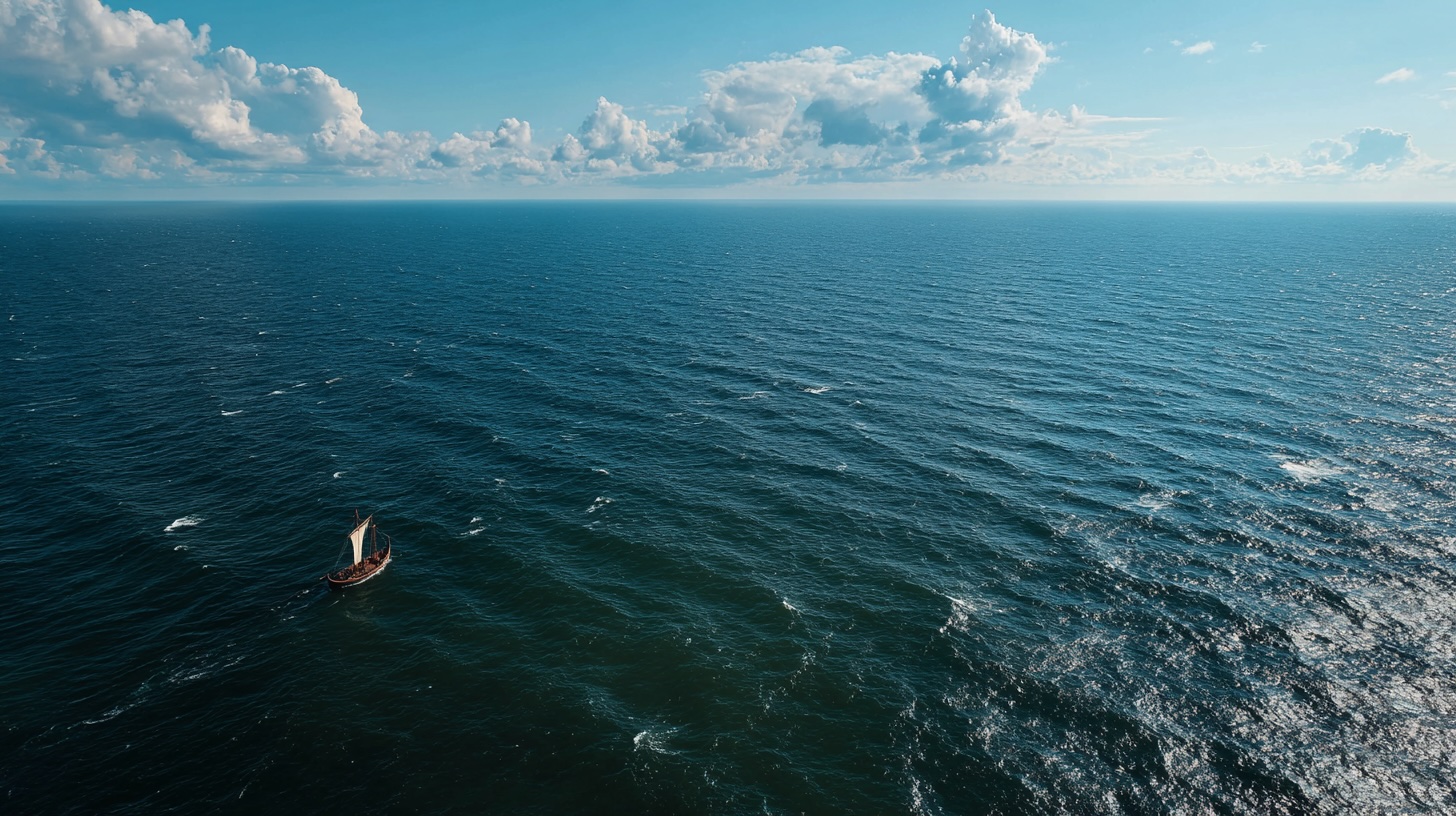
So who discovered Iceland?
Was it Naddodd, who first glimpsed it through the storm? Garðar, who proved it was an island? The Irish monks, if they truly lived in its caves? Or Pytheas, who may have written of it centuries before?
The truth is not simple. Iceland was not discovered in a single moment, by a single man. It was revealed in fragments—by accident, by endurance, by legend and rumor. Each story added to the whole, until finally, the island was known.
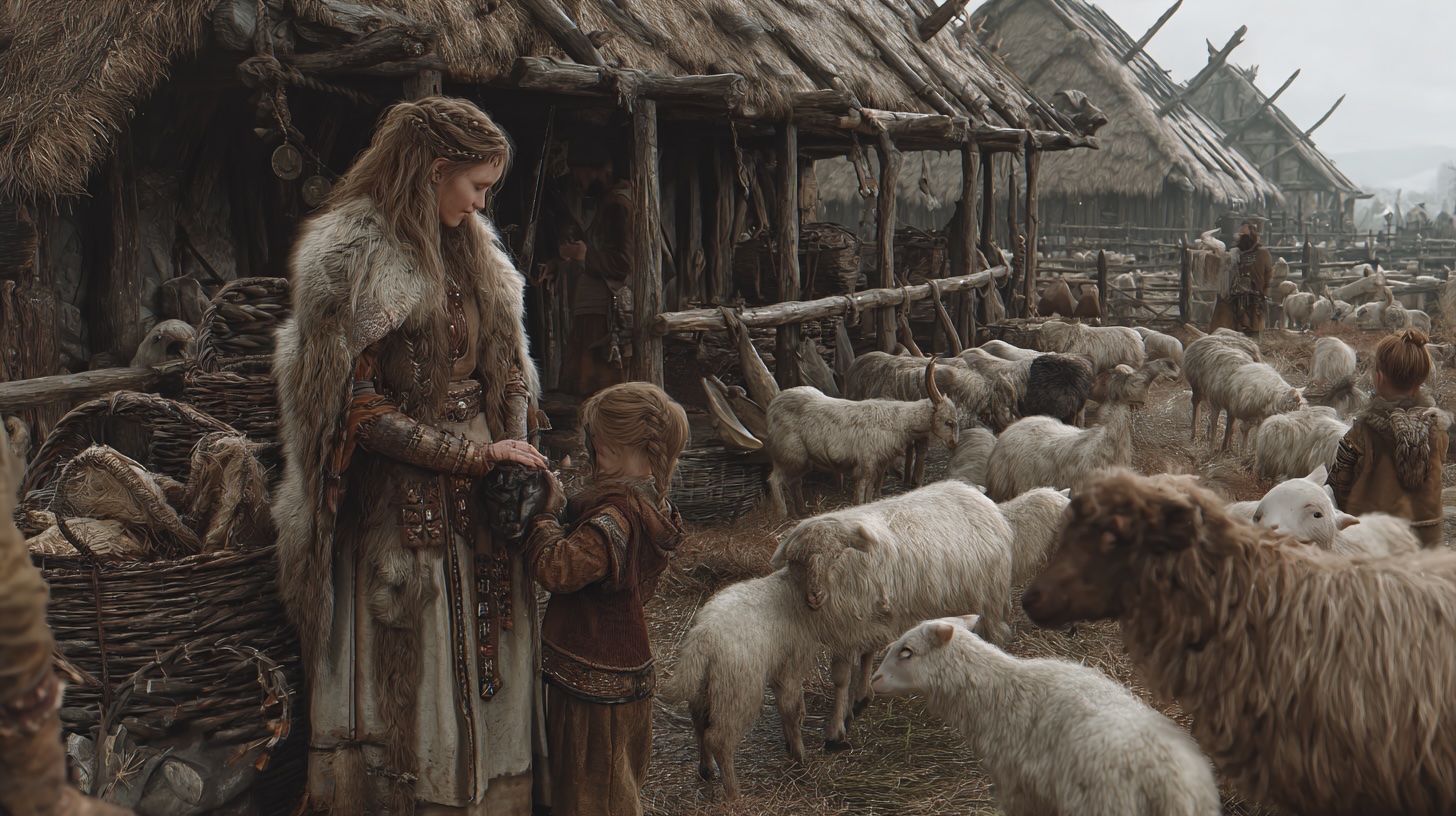
And in 874, a new chapter began. A Norwegian chieftain named Ingólfr Arnarson sailed west with his family and his household. He chose a place beside steaming hot springs to build his farm. He called it Reykjavík—“the Bay of Smoke.” Unlike Naddodd or Garðar, Ingólfr did not leave. His settlement was the first, and from it, Iceland’s history truly began.
But Iceland remains a land of discovery. Volcanoes still rise, reshaping the island. Glaciers advance and retreat. Rivers carve new valleys, and lava creates new land where once there was sea.
To walk in Iceland today is to feel what those first men must have felt: the sense that you are standing at the beginning of the world. And the story of its discovery is not a single tale, but a tapestry—woven across centuries, and still unfolding.